
We’ll Take Care of Your Oral Health During a Dental Emergency at West Georgia Dental Centre
Dental emergencies can happen unexpectedly and require immediate professional care. Whether you’re experiencing severe tooth pain, a broken tooth, a knocked-out tooth, or dental trauma, our emergency dentist is here to provide fast, compassionate, and effective treatment.
At West Georgia Dental Centre, we welcome patients across Vancouver with same-day emergency dental care whenever possible. Using advanced dental technology and a patient-focused approach, our team is committed to relieving pain, restoring oral health, and helping you feel comfortable throughout your visit.

What Is Emergency Dentistry?
Emergency dentistry focuses on the immediate treatment of urgent dental problems that require prompt professional care. It helps relieve pain, prevent further complications, and restore your oral health as quickly as possible.
If you are experiencing severe tooth pain, a broken or knocked-out tooth, swelling, infection, or any sudden dental issue, emergency dental care can provide fast relief and effective treatment when you need it most.
Common Dental Emergencies
Severe Toothache
Severe tooth pain can be caused by tooth decay, infections, abscesses, damaged fillings, or fractured teeth. Emergency dental care helps relieve pain and treat the underlying issue before it worsens.
Knocked-Out Tooth (Avulsed Tooth)
A knocked-out tooth requires immediate care to improve the chances of saving the tooth. Handle the tooth carefully by the crown and seek emergency dental treatment as soon as possible.
Chipped or Broken Tooth
Broken or chipped teeth can cause pain, sensitivity, and increased risk of infection. Prompt treatment helps restore and protect the damaged tooth.
Dental Abscess
A dental abscess is a serious infection that can cause swelling, severe pain, fever, and gum irritation. Immediate treatment is important to prevent the infection from spreading.
Lost Fillings or Crowns
Lost fillings or crowns can expose and weaken the tooth, leading to discomfort and further damage. Emergency dental care helps protect and restore the affected tooth.
Dental Trauma
Dental injuries from accidents, sports, or falls may affect the teeth, gums, or jaw. Quick treatment can reduce complications and improve recovery.
Cracked or Broken Dentures
Damaged dentures can make eating and speaking difficult. Emergency denture repairs help restore comfort and function.
Soft Tissue Injuries
Injuries to the gums, cheeks, lips, or tongue may cause pain, bleeding, and swelling. Emergency dental care can help manage and treat soft tissue damage.
What to Do During a Dental Emergency
During a dental emergency, it’s crucial to take the proper steps to manage the situation effectively:
- Assess the Situation – Determine the severity of the dental emergency and whether immediate professional care is needed.
- Contact an Emergency Dentist – Call your Vancouver emergency dentist as soon as possible for guidance and prompt treatment.
- Manage Pain and Swelling – Use a cold compress or over-the-counter pain relief to reduce discomfort until you receive care.
- Handle a Knocked-Out Tooth Carefully – Rinse the tooth gently without scrubbing and keep it moist in milk or saliva while traveling to the dentist.
- Protect a Broken Tooth – Rinse your mouth with warm water, reduce swelling with a cold compress, and save any broken tooth pieces for your appointment.
What to Expect at an Emergency Dental Visit
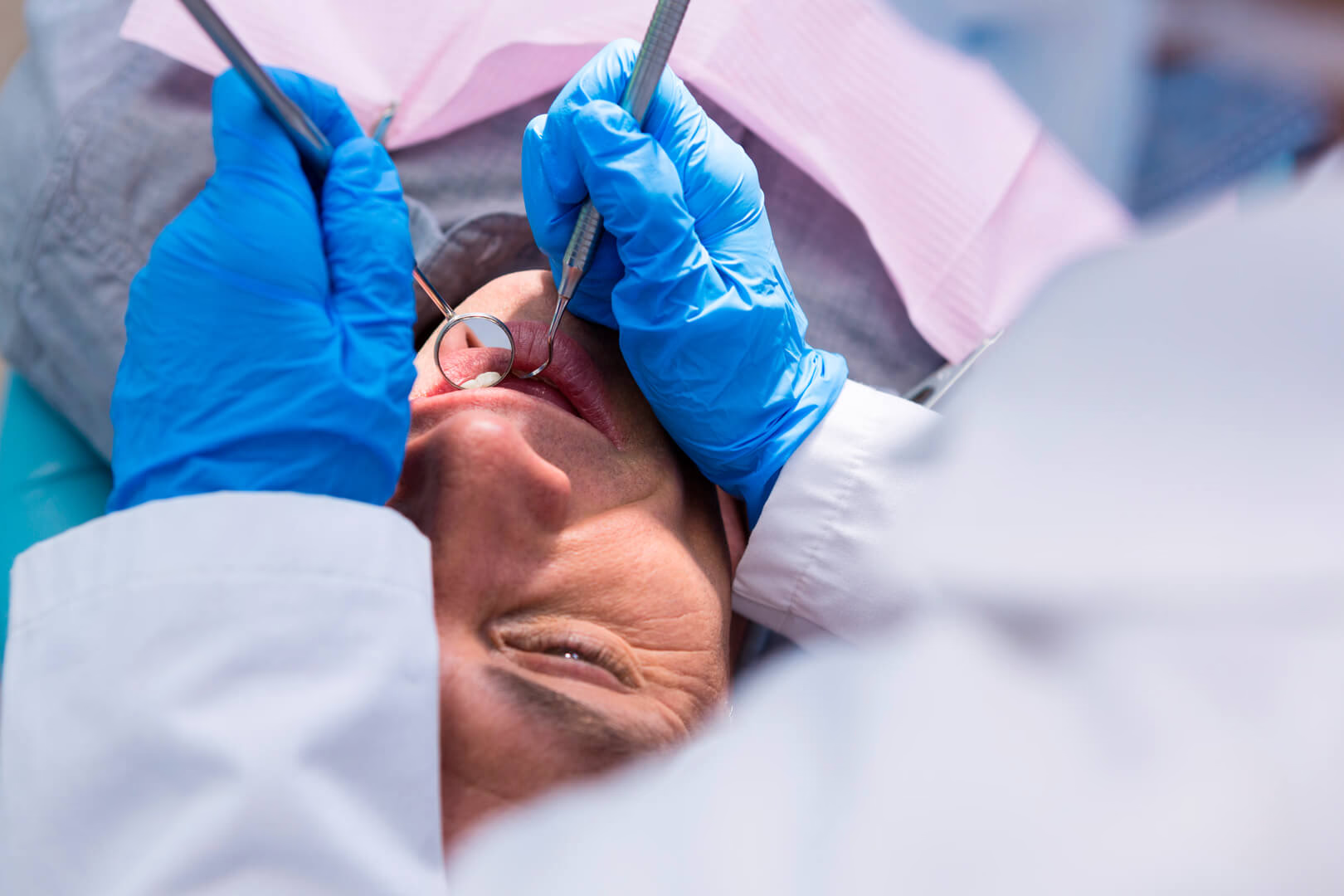
During an emergency dental visit, the dentist will assess the situation, diagnose the problem, and recommend the most suitable treatment plan. The exact procedures may vary depending on the specific dental emergency, but generally, the following steps may be involved:
What to Expect at an Emergency Dental Visit
- Dental Examination: Our Vancouver dentists will examine your teeth, gums, and affected areas to determine the extent of the problem.
- Diagnostic Tests: X-rays or other diagnostic tests may be conducted to evaluate the condition and identify any underlying issues.
- Pain Management: Immediate measures will be taken to alleviate pain and provide temporary relief, such as dental anesthesia or pain medication.
- Treatment Recommendations: Based on the diagnosis, the dentist will discuss the treatment options and recommend the most appropriate course of action.
- Emergency Treatment: The dentist may perform emergency procedures, such as tooth extraction, dental restoration, or root canal treatment, depending on the situation.
Frequently Asked Questions
You should seek emergency dental care if you experience severe tooth pain, facial swelling, bleeding from the mouth, a loose or knocked-out tooth, a broken tooth, or signs of infection, such as an abscess or a pimple-like bump on the gums.
While dental emergencies can happen unexpectedly, there are preventive measures you can take to reduce the risk. Maintaining good oral hygiene and addressing dental issues promptly can minimize the likelihood of dental emergencies